
WR14
Regular garden care in Great Malvern and the villages around it — terraced hillside gardens and flat-side lawns alike.
The round covers these areas. Outside the list, still worth a call.
Travel to Great Malvern and the villages around it is included — no call-out fee.
Same services and prices as everywhere else.
Fortnightly or every four weeks — mowing, and the beds and edges kept on top of. The heart of the service.
£25 an hour
Your first regular visit is half price.
Spring wake-ups and autumn put-to-beds — the garden set up for the season ahead.
Visits from £25
Going away? Mowing and watering on set days, with a photo update so you know it's done.
From £25 a visit
Hedge trimming and pruning. Send a photo for a same-day ballpark on any other one-off job.
£30 an hour
Gardens that have got away — brambles, waist-high grass, years of leaf litter. Cleared and taken away.
£110 a half day, £200 a full day
Hard surfaces, patios and kerbs swept, litter picked, paths kept passable. Farmyards, stable yards and cottage courtyards — the parts that aren't garden.
£25 an hour
Great Malvern's problem — and the reason its gardens are worth the effort — is that the whole town is built on a hill. Between the Worcestershire Beacon above and the Priory below, the Victorian villas step down the slope in terraces: retaining walls, flights of steps, lawns you reach through a gate and down again. Working here often means carrying kit down and hauling green waste back up, and that's fine — it's what I'm set up for.
The soil changes as you climb: thin and acid up near the hill, where the Malvern Hills National Landscape starts at the top of some gardens, heavier and kinder down on the flat. What thrives on the ridge sulks down on the flat, and planting advice is part of the visit when you want it. Thin ground up top is where mulching earns its keep fastest.
The town itself — North Malvern up the hill, Malvern Link and Barnards Green on the flat, Poolbrook to the east — is the core of the round. The villages ring it.
East of the Link the ground flattens into commons-and-court country: Guarlford strung along its common, Madresfield around the court and its moat. Big hedges, long verges, gardens that run to orchard corners.
Newland is the small triangle by the Three Counties Showground — the ground the RHS Spring Festival fills each May — with gardens that hear every event across the hedge.
On and over the hill: West Malvern takes the weather first, The Wyche and Upper Colwall sit in the gap itself, and south of town the slope eases through Malvern Wells to Little Malvern below the Beacon.
Terraces, steps and slopes are the daily bread: hedges on retaining walls, beds cut into banks, grass paths between levels. Hedge cutting in Great Malvern is the job that comes up most, steps and all, and what it costs is set out further down this page.
Drop off the hill northeast and the ground changes under you — Worcester gardens sit on Severn clay and gravel terraces rather than a slope, so the soil is the question there and the carrying is not.
I cut hedges across Great Malvern and the villages around it, from the hill roads down to the Link. The hedges here are not like the ones ten miles west, and the reason is the hill.
Malvern is built down a slope. Between the Beacon above and the Priory below, the Victorian villas step down in terraces — retaining walls, flights of steps, a lawn you reach through a gate and down again. The hedges follow the same lines, and that changes the job in two ways.
The first is access. A hedge on the third terrace down has no gate to wheel a barrow through. The clippings come back up the steps in bags, and that is time, so I would rather say it up front and price it properly than turn up, discover it and start renegotiating in your garden.
The second is what the hedge is actually for. A lot of these are not decorative — they sit on the lip of a drop, and their roots are holding the edge of a bank together. That matters when someone asks for a hard reduction. Stripping a hedge like that back to bare wood in one go can leave the bank exposed for a whole winter, so it is often better done over two seasons. I will tell you which yours is.
Down on the flat side — Barnards Green, Poolbrook, out towards Guarlford and Madresfield — the gardens open up and the hedges are ordinary boundary hedges again: longer runs, easier access, and no steps.
The older town gardens run to beech, yew and privet, kept tight because a terraced garden has no width to spare. Yew is slow and forgiving and looks after itself if it is cut once a year. Beech holds its brown leaf through winter, which is why so many of these gardens still have a screen in January.
The post-war roads towards the Link and North Malvern brought in leylandii and thuja as fast screening, and thirty-odd years later they are the hedges people ring about. Conifer is the one to be careful with: cut back into old brown wood and leylandii does not regrow. A reduction on one of those is planned, not improvised.
Up the hill roads at West Malvern and the Wyche the weather does its own work — exposed hedges take the wind off the ridge and thin out on the windward side, which is a shaping problem rather than a health one.
Slightly wider at the base than the top, so light reaches the bottom and the hedge does not go bare and leggy underneath. Flat tops where it is a screen. Sides taken back far enough that you are not ringing me again in six weeks.
Clippings are bagged as I go and leave with me — up the steps if that is what it takes. Ladders, the far side of a boundary and the awkward corner by the wall are all part of the job.
Formal hedges — privet, box — are happiest cut twice through the growing season. Beech and hornbeam want one good cut in late summer to hold shape through winter. Hard reductions on deciduous hedges belong in winter, when the hedge is dormant and you can see the structure.
The one thing that overrides all of it is nesting birds, and the law about it has no dates in it: damaging a nest while it is in use is an offence whatever the month. Wood pigeons are still at it into October. I look before I start, and if there is a nest that section waits and I come back for it.
If you want a gardener in Great Malvern who's set up for exactly that, call 07443 797 834 and tell me which bit of the hill you're on.
Tree surgery — not covered, and the big hillside specimens around Great Malvern often need exactly that. I'll say so when a job is climber work.
Retaining-wall building — not covered. Planting and maintenance around existing walls, yes.
If it's beyond my kit or my ladder height, I'll say so and point you to someone good.
The garden is terraced up the hillside with steps-only access — can you actually work it?
Yes — steps-only is normal for Great Malvern. I carry compact kit that can go up and down stairs, and green waste comes out by the bag. It takes a little longer than a flat garden of the same size, and that's the only difference.
What actually grows in the thin, acid soil this close to the hills?
More than you'd think — heathers, rhododendrons, azaleas and camellias are the classic upslope choices here, and plenty of natives cope fine. The trick is working with the acidity rather than fighting it. Happy to suggest planting that suits your level of the hill.
Looking for a gardener in Guarlford or Madresfield — or just on the flat side of town?
Both ends are the same round. Barnards Green, Malvern Link and Poolbrook are covered the same as the hill streets, and the villages east — Guarlford, Madresfield, out to Newland — with them. Flat lawns are the quick half of Great Malvern.
How much does hedge cutting cost in Great Malvern?
It is £30 an hour, clippings bagged and taken away. A hedge up steps with no side access takes longer to clear than it does to cut, which is worth knowing before you compare two quotes.
The hedge is holding up a bank. Can it still be cut back hard?
The top and the faces, yes. What I leave alone is the root plate and anything doing structural work on the bank, because a hedge on a slope is often the reason the slope is still there.
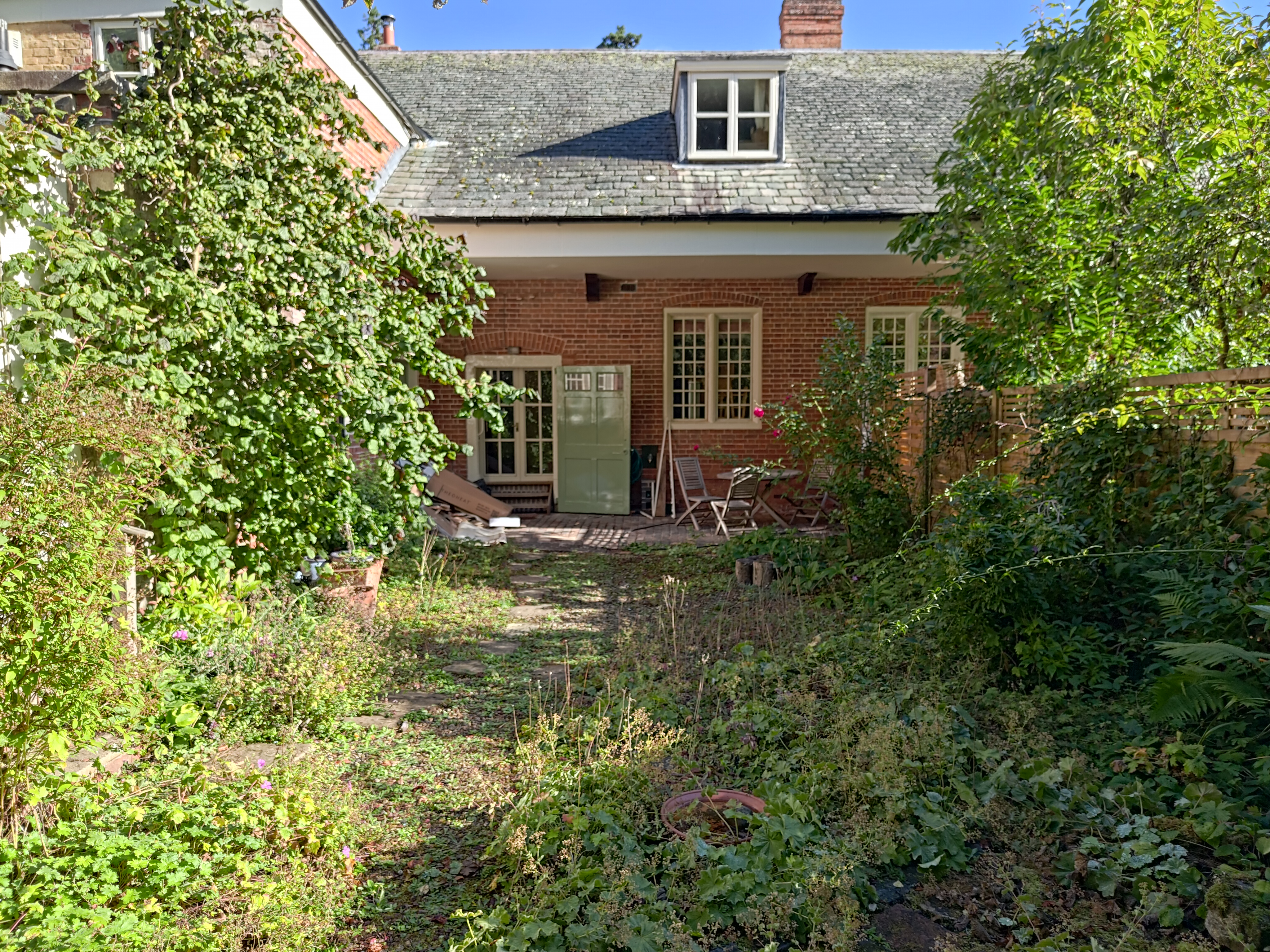
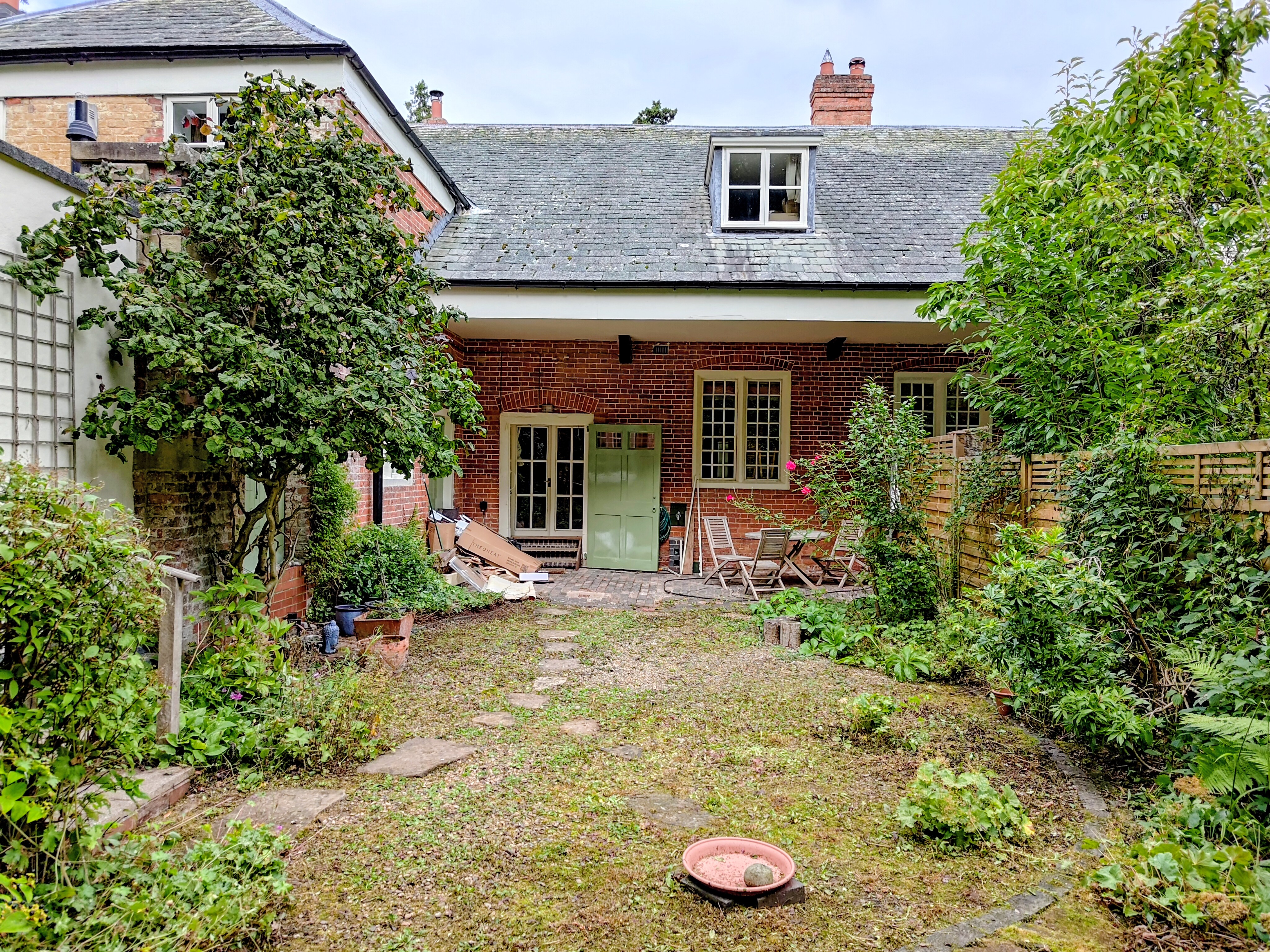
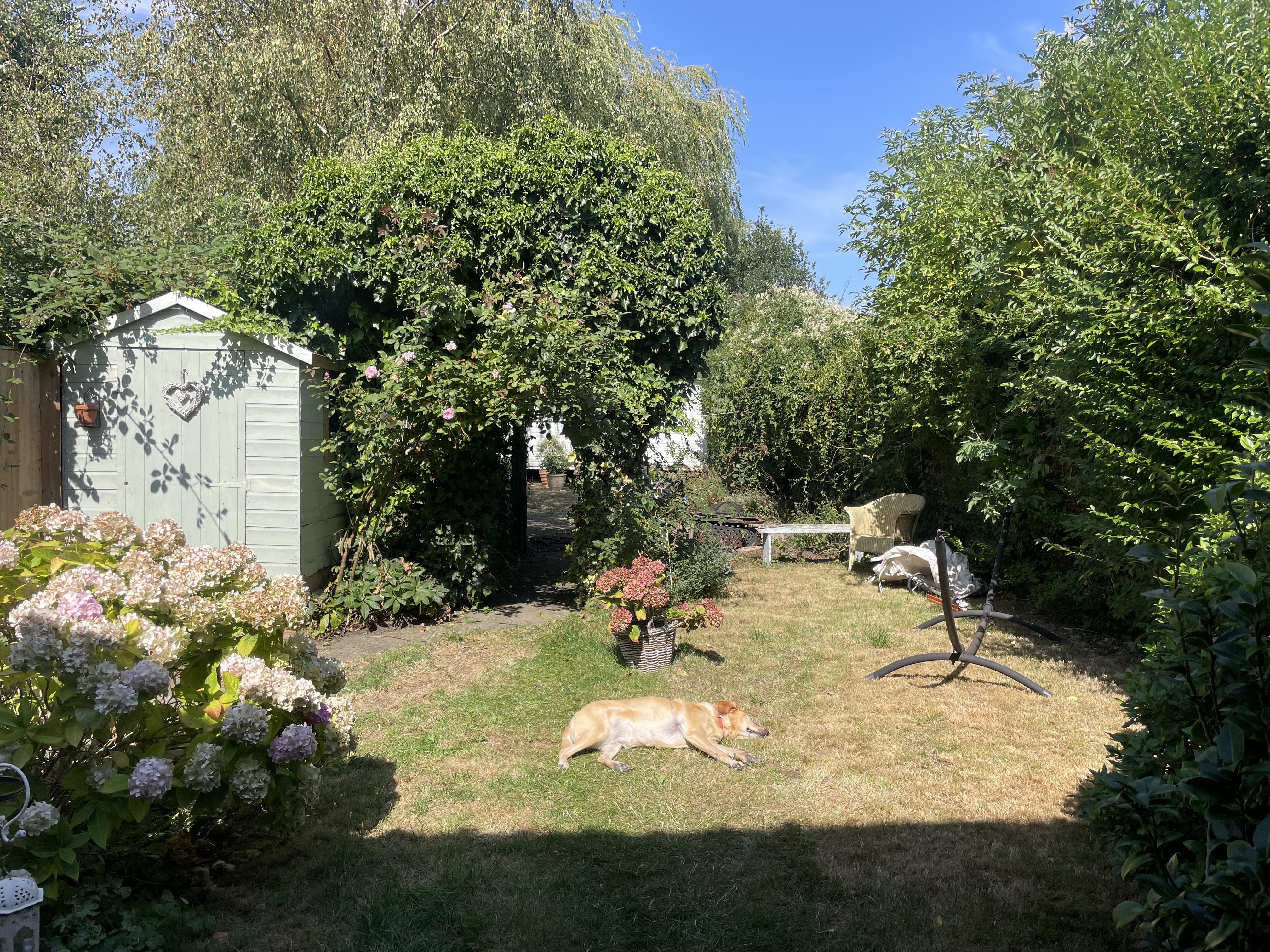
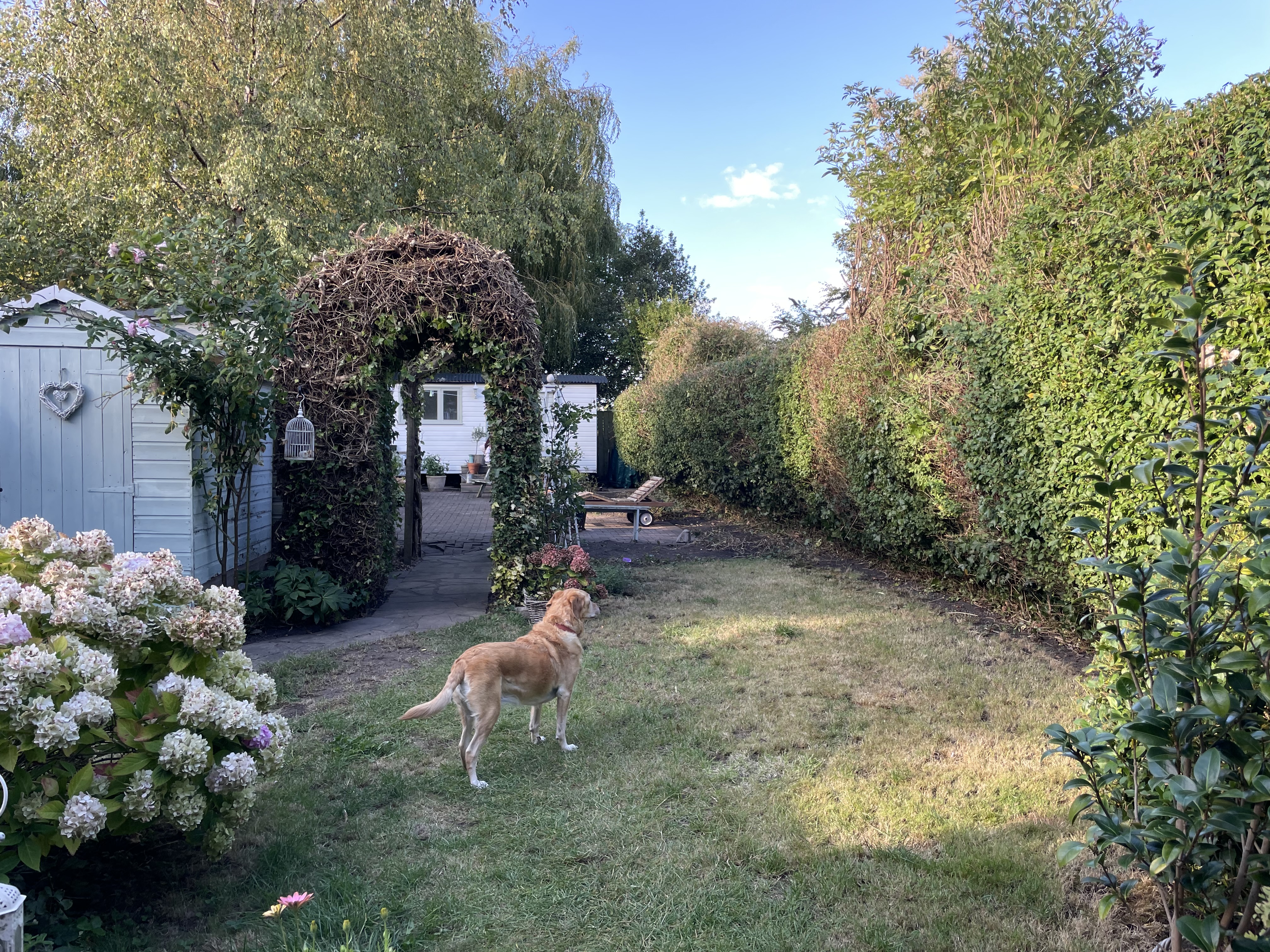
A few recent before-and-afters from around the Three Counties.
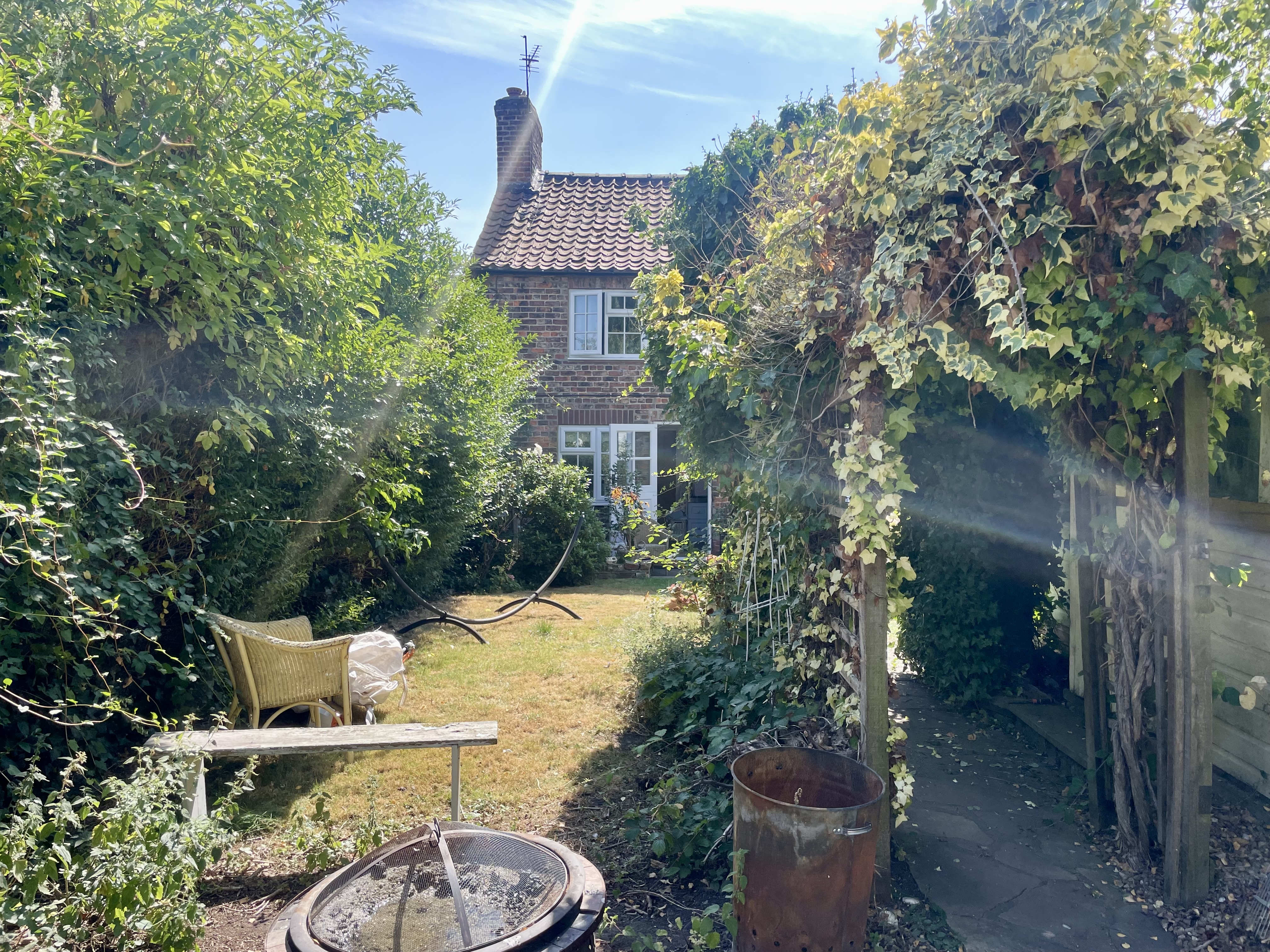
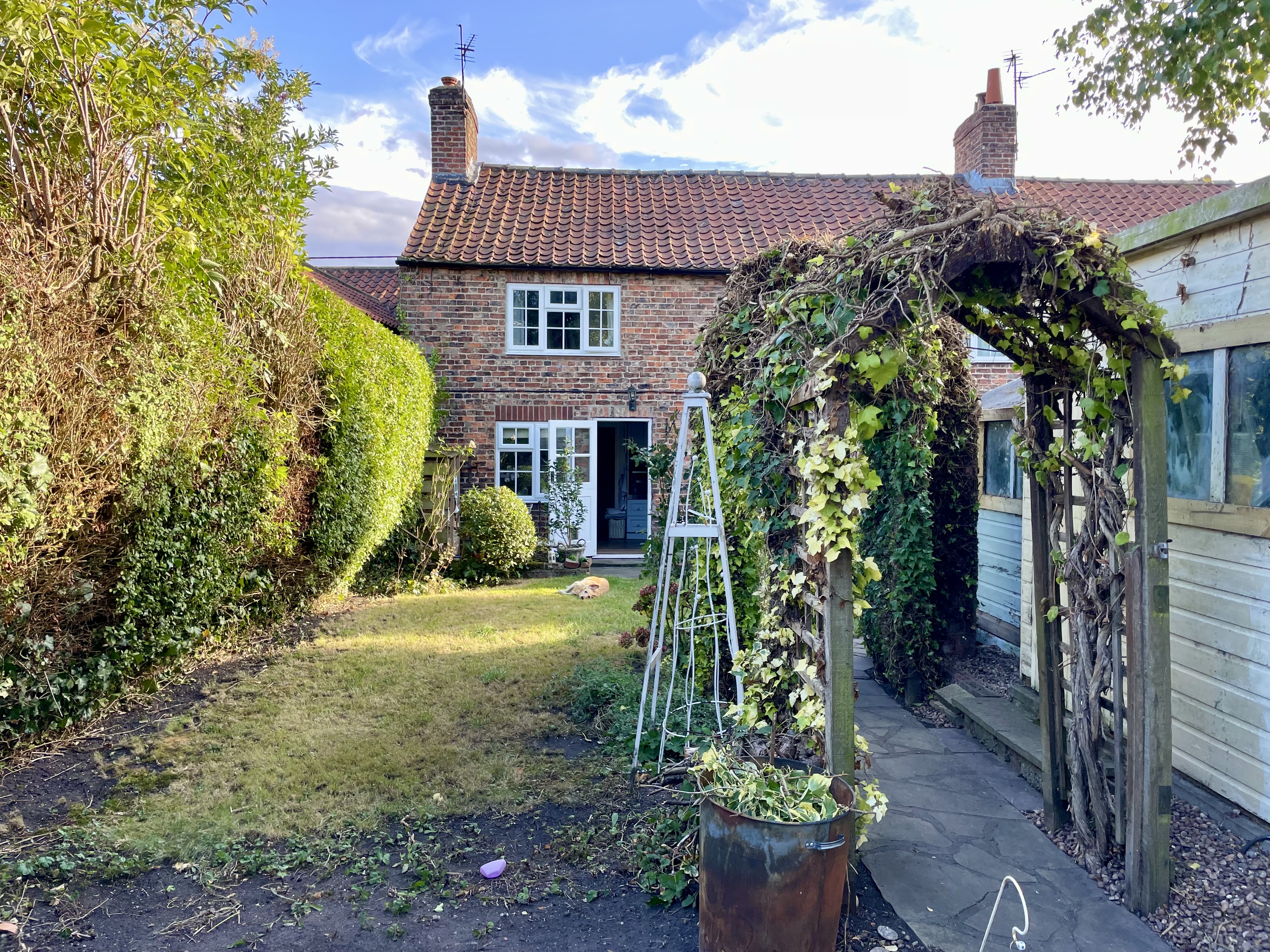
Five minutes on the phone is usually enough to agree a price. Call for a quick chat, or send an enquiry and I'll get back to you within one working day.
Public liability insured. A mow's clippings go in bags for your green bin; hedge cuttings and clearance waste leave with me.
Questions about how visits work? The FAQ has answers.