
GL5 · GL6 · GL10
Regular garden care, hedge cutting and one-off tidies in Stroud, Stonehouse and the valley villages — terraced hillside plots and vale-floor gardens alike.
The round covers these areas. Outside the list, still worth a call.
Travel to Stroud and the villages around it is included — no call-out fee.
Same services and prices as everywhere else.
Fortnightly or every four weeks — mowing, and the beds and edges kept on top of. The heart of the service.
£25 an hour
Your first regular visit is half price.
Spring wake-ups and autumn put-to-beds — the garden set up for the season ahead.
Visits from £25
Going away? Mowing and watering on set days, with a photo update so you know it's done.
From £25 a visit
Hedge trimming and pruning. Send a photo for a same-day ballpark on any other one-off job.
£30 an hour
Gardens that have got away — brambles, waist-high grass, years of leaf litter. Cleared and taken away.
£110 a half day, £200 a full day
Hard surfaces, patios and kerbs swept, litter picked, paths kept passable. Farmyards, stable yards and cottage courtyards — the parts that aren't garden.
£25 an hour
Stroud sits near the western edge of the Cotswolds, where five valleys meet. That single fact decides most of the garden work here. Where the hillsides are steep, houses were built on terraces of drystone retaining walls holding up both the house and the garden — so a typical Stroud plot is a set of narrow level shelves reached by steps, not one open lawn. Out west past Stonehouse the ground flattens and turns to clay, and the job changes completely. I take both, and I'd rather tell you which one you've got than pretend there's a standard Stroud garden.
The rock here is layered by height rather than by village: limestone on the tops, clay down in the vale, with bands in between. A single street can run from thin, free-draining brash at the top to heavy ground at the bottom.
Painswick stands on the spur dividing the Painswick and Slad valleys, so one garden can fall away steeply on one side while its neighbour across the ridge gets a wholly different amount of sun. The village itself sits on Midford Sand; the Inferior Oolite that gave Painswick its building stone forms the hills above. Slad runs along its own narrow, steep-sided brook valley, and Sheepscombe is tucked behind the scarp, awkward enough to reach that access is worth mentioning when you call.
The steepest, narrowest ground around Stroud, and the most interesting to work. Settlement went on the hillsides rather than the valley floors: Chalford's weavers' cottages cling to the slope on paths so narrow that groceries went up by donkey into the 1950s, and a few of these gardens are still reached only on foot. Bisley sits at the head of the Toadsmoor valley, which drops some four miles from the church down to Brimscombe Port — where river, canal, road and railway all run side by side because the valley floor is too narrow to let them separate.
Two different jobs within a mile of each other. Up top, Minchinhampton and Rodborough Commons cap the plateau above 600 ft — open, grazed, wind-blown limestone grassland, and gardens up there dry hard in a dry June. Down in the valley, Nailsworth, Woodchester and Amberley sit in shelter on the wooded slopes. Cut a hedge at the right time of year and it earns its keep on the tops; a border that would sulk up there will do fine below.
West of Stroud the Frome stops cutting and starts spreading, and clay takes over — enough of it that Stonehouse dug its own for a brick and tile works from 1891 to 1968. This is the reverse of the hillside problem: ground that holds water, warms late, and compacts if you walk it at the wrong moment, so timing matters more here than drainage does above. The boundaries change with it. Up in the valleys it's drystone walls; down here it's hedges, ditches and brick, which means hedge lengths and edges rather than steps and terraces.
One thing worth knowing wherever you are on a slope: cold air runs downhill and pools at the bottom. A garden on the valley floor at Brimscombe can take a frost on a morning when a garden a couple of hundred feet up the same hillside doesn't. It's the usual reason two neighbours disagree about when it's safe to plant out.
Clearing an overgrown garden in Stroud is the job that comes up most — the terraced plots reached by steps are their own kind of work, and what it costs is answered further down this page.
North-west out of the valleys the ground opens into the Vale, and the Newent round starts — orchard country again, and a different set of problems to the clay.
I clear overgrown gardens across Stroud and the five valleys — the plots that have got away, the terraces nobody has touched in years, the bramble bank at the end that eats a little more garden each summer.
On the valley sides, gardens here are built as terraces: narrow level shelves held up by drystone retaining walls, reached by steps. That shape decides how a clearance is done. There is no driving a machine up to the job and no wheeling a barrow to a skip — the work is done by hand, and everything cut comes back down the steps the same way I went up.
Ivy on the walls comes off carefully, cut and teased away rather than ripped — the wall behind it is holding your garden up, and on the steeper plots the garden above that. In Chalford and the Golden Valley some gardens are still reached only on foot; that is fine, and worth saying when you get in touch so I arrive set up for carrying rather than wheeling.
Down on the vale floor past Stonehouse the job changes. The ground is clay, the boundaries are hedges rather than walls, and an overgrown garden there is usually bramble run in off the ditches and a hedge gone up and out. Clay also decides the timing — walked over when it is soaked, it compacts, so a vale-floor clearance in a wet week is sometimes better moved a few days than forced.
Brambles cut and, where you want them gone for good, dug out at the root. Ivy off walls and fences. Borders found again and re-edged. Everything bagged, carried out and taken away — and a before-and-after photo, because half the point of a clearance is seeing it. The method is the same one I use everywhere: how I clear an overgrown garden walks through it.
Anything beyond hand tools and a hedge trimmer — big limbs, high work — I'll point out on the walk round rather than have a go at.
If you're after a gardener in Stroud, Stonehouse or any of the valleys between, call 07443 797 834.
Tree surgery — not covered; happy to point you to a good climber.
Hard landscaping — not covered, and that includes rebuilding a failing retaining wall. Stroud gardens sit on a lot of drystone terracing; I'll tell you if one looks like it needs a waller, but I won't be the one to fix it.
If it's beyond my kit or my ladder height, I'll say so and point you to someone good.
The garden is terraced up the valley side with steps between each level — can you work it?
Yes. Terraces held up by drystone walls are the normal shape of a Stroud hillside garden, not an unusual one. I bring kit that goes up and down steps and the green waste comes out by the bag. It takes longer than a flat garden of the same size, and that is the only difference.
There's a patch halfway down the slope that never dries out, even though the rest drains fast. What is that?
Almost always a spring line. The limestone here lets water through until it meets clay underneath, and then the water comes out sideways partway down the hill. It is why the old cottages sit in a row at that height. Grit and sand will not fix it — the answer is planting that likes wet feet, or a way of moving the water on.
Looking for a gardener in Stonehouse, or anywhere down on the flat?
Yes, and it is genuinely a different job from the valleys — heavy clay that holds water and warms up late in spring. Same round, same prices. The main thing is timing: walk clay at the wrong moment and you undo a season's work in an afternoon.
How much does a garden clearance cost in Stroud?
It is £110 a half day and £200 a full day, with the waste taken away. A terraced garden with steps and no side access takes longer to carry out of than to cut, so it is more often a full day than a half.
Will it just grow back?
Bramble and nettle will try, and what happens in the six weeks afterwards is the whole difference. Kept knocked back over that stretch it stays clear; left alone it is back by the end of the season.
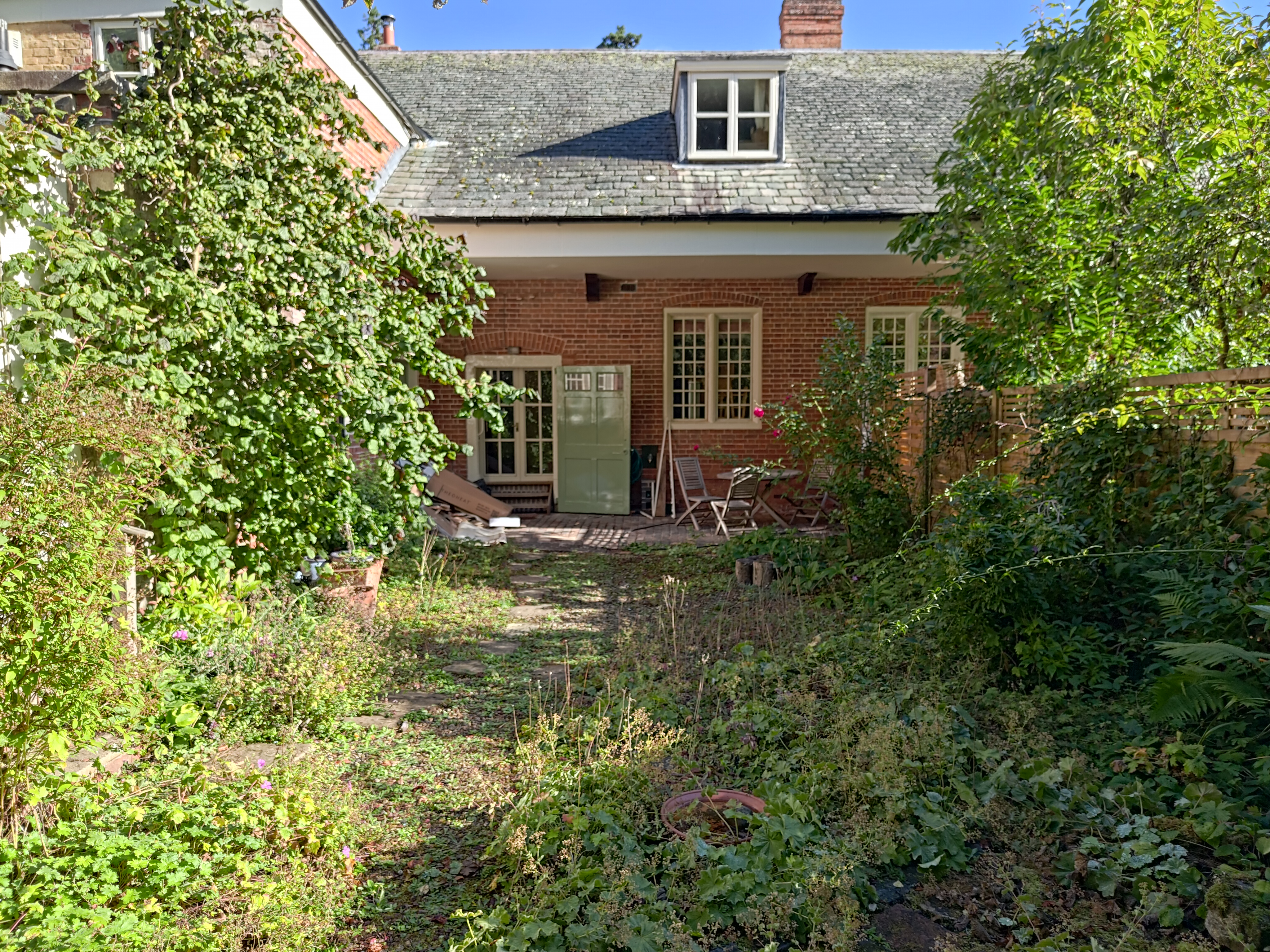
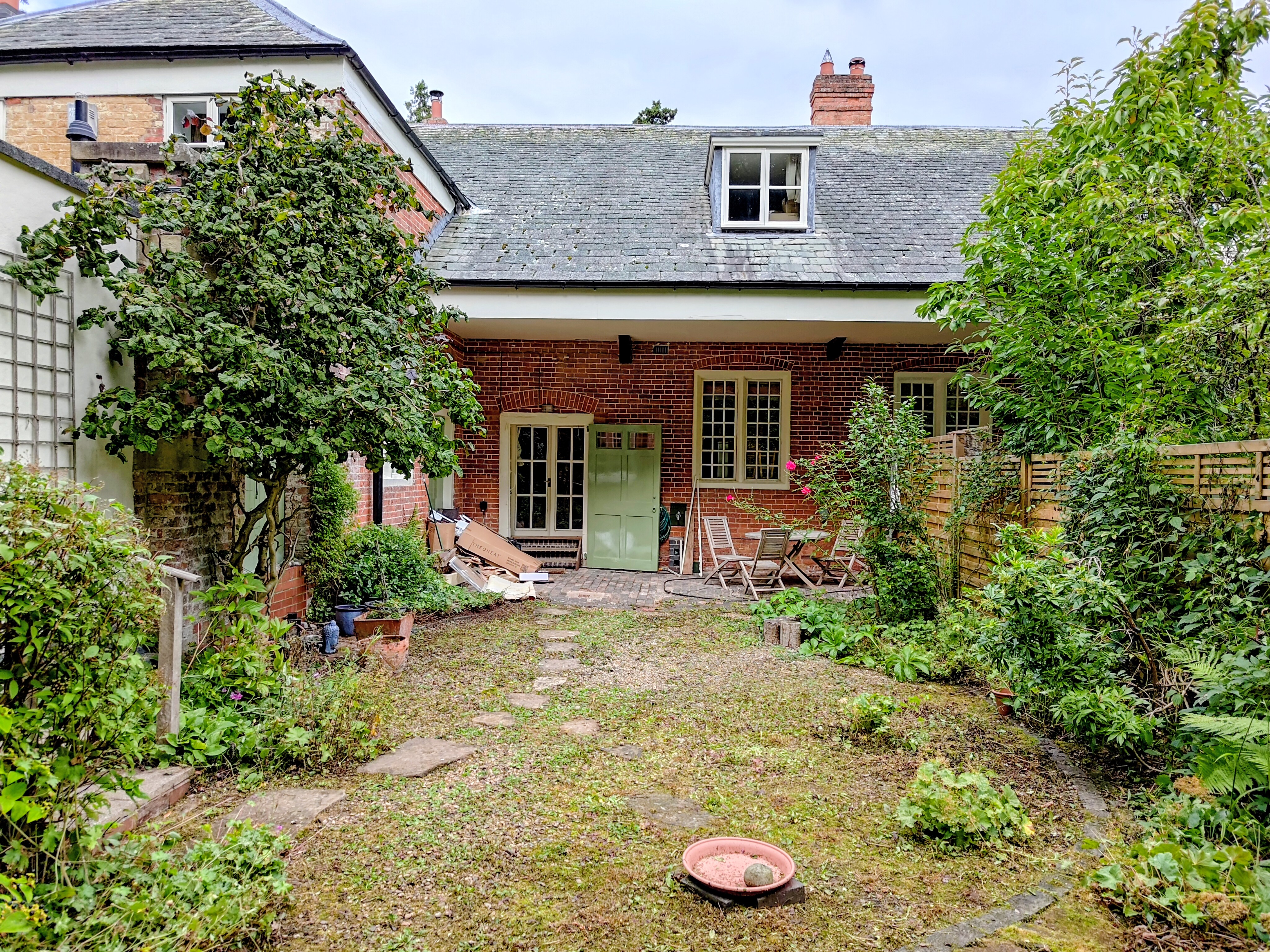
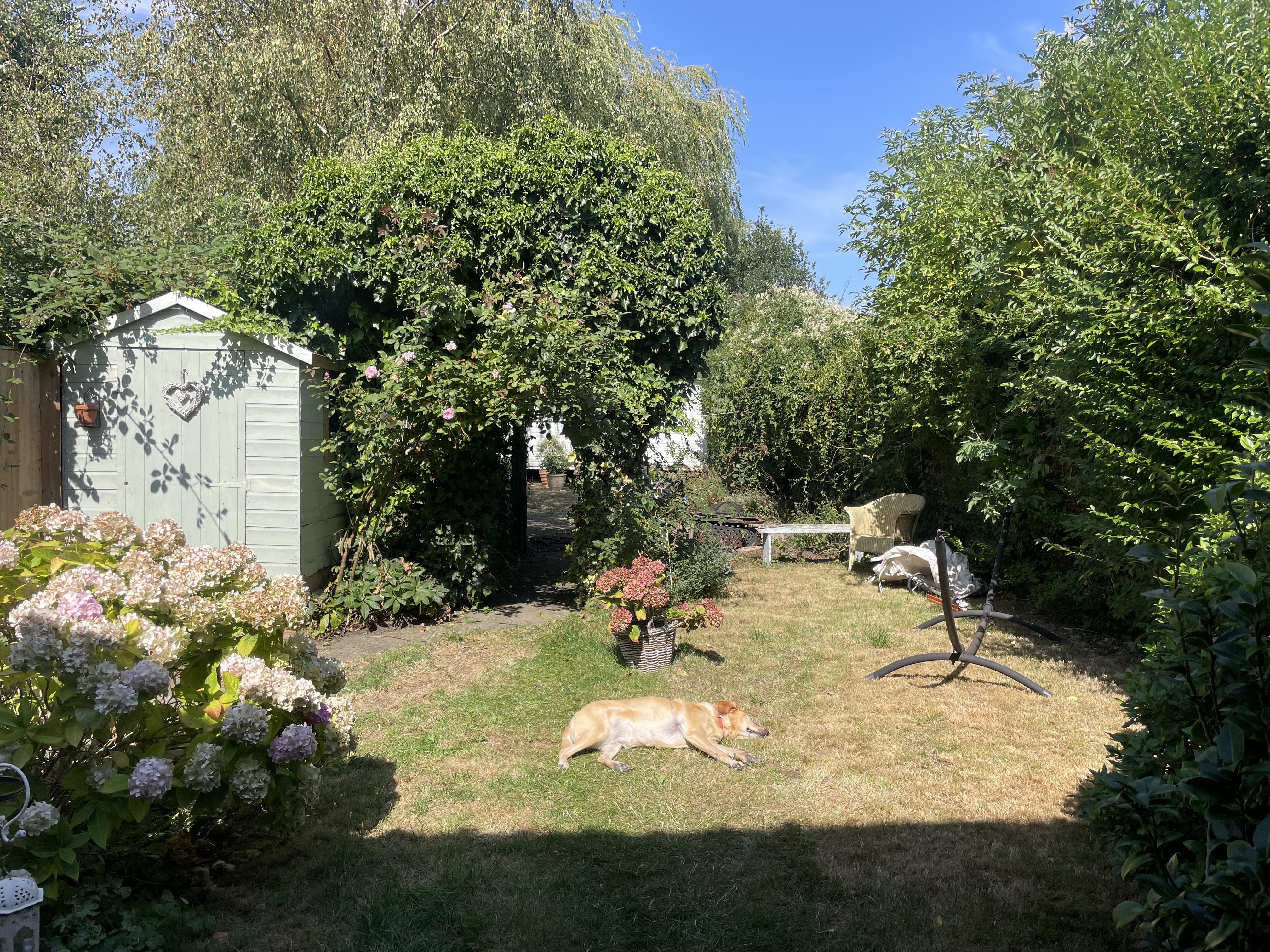
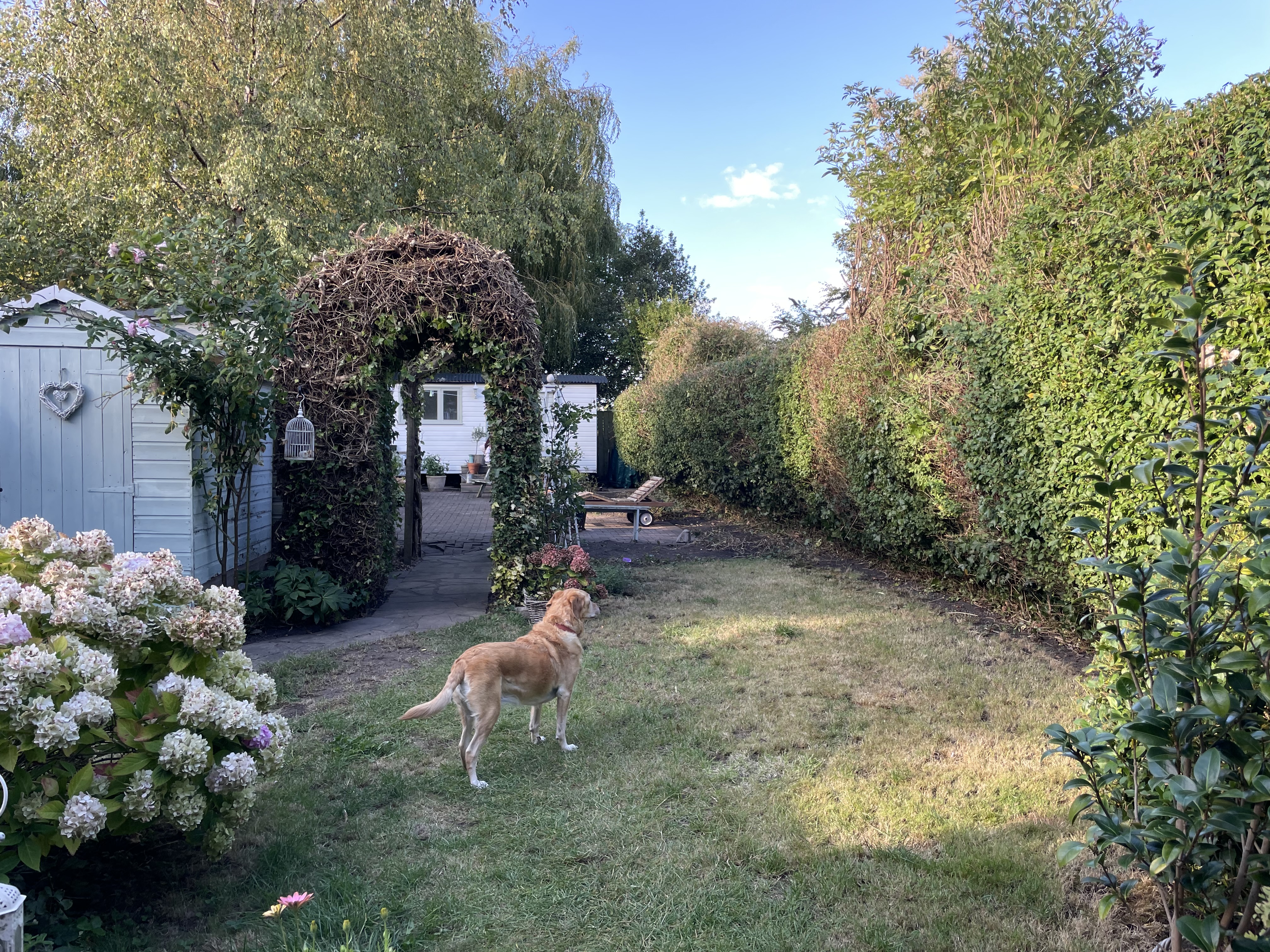
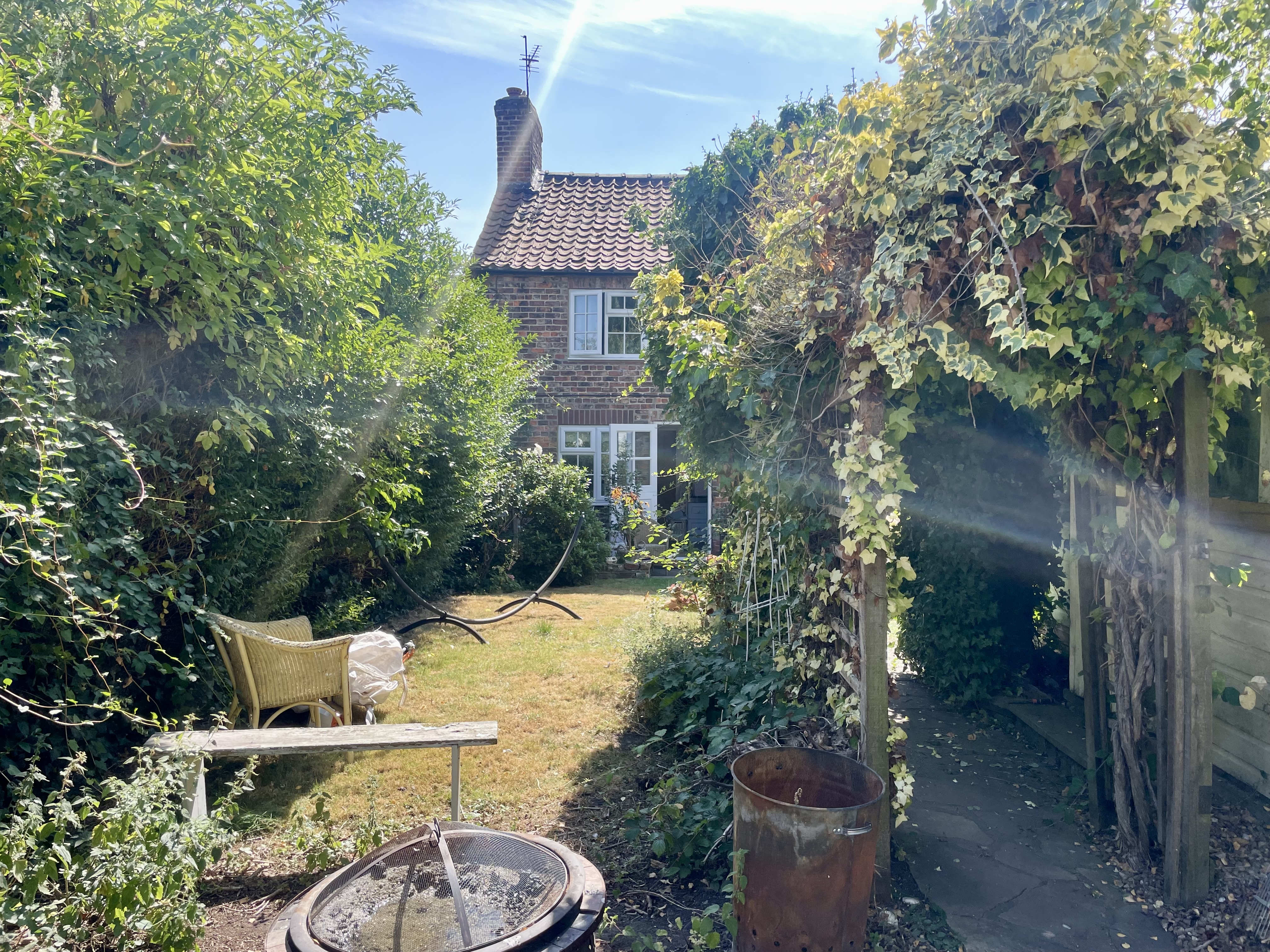
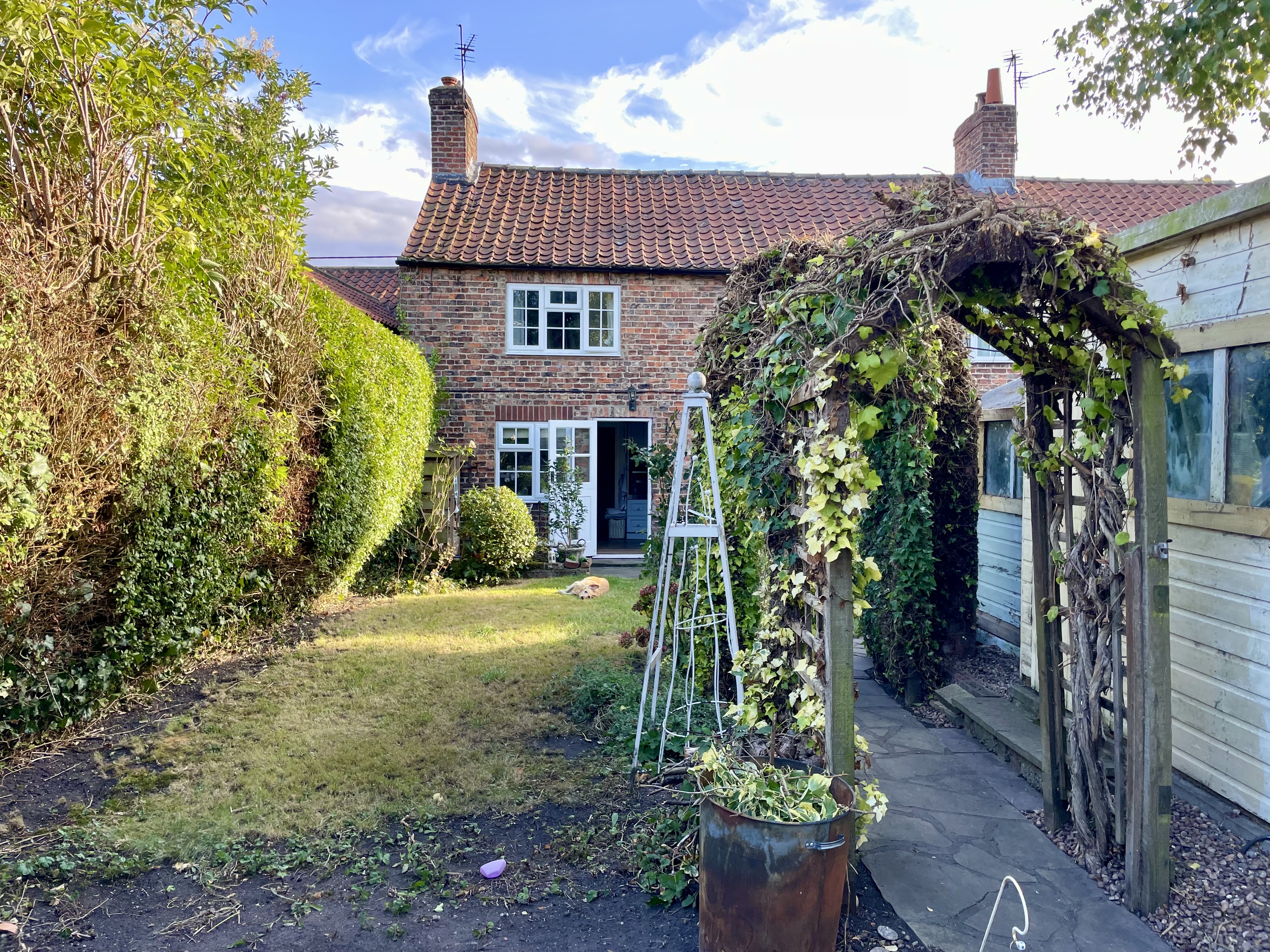
A few recent before-and-afters from around the Three Counties.
Five minutes on the phone is usually enough to agree a price. Call for a quick chat, or send an enquiry and I'll get back to you within one working day.
Public liability insured. A mow's clippings go in bags for your green bin; hedge cuttings and clearance waste leave with me.
Questions about how visits work? The FAQ has answers.